Induction vs Gas Cooking | Pros and Cons
Induction and gas compared on speed, energy transfer, cookware, indoor air, safety, power outages and electrical needs, with sources and a clear way to choose.
Find practical induction cooking guides for choosing cookware, using cooktop settings and troubleshooting common problems. Topics include pan detection, buzzing, power cycling, cleaning and whether your existing pots and pans will work with induction.
New to the technology? Start with what induction cooking is and the buying guide. For an error code or a safety concern, consult the instructions for your exact model rather than assuming all brands behave the same way.
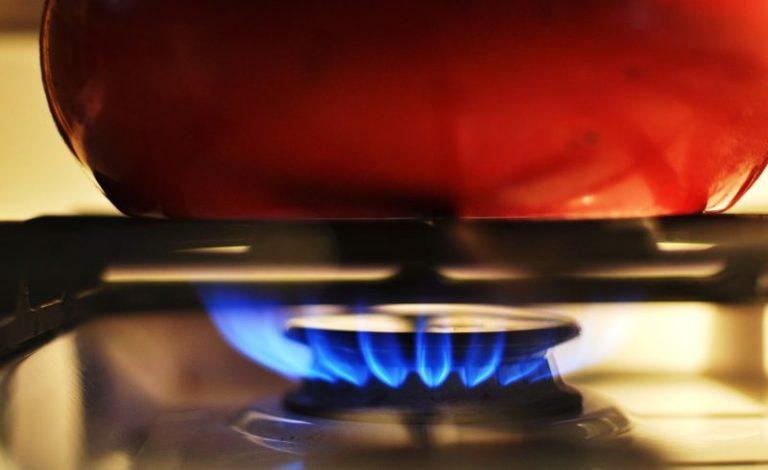
Induction and gas compared on speed, energy transfer, cookware, indoor air, safety, power outages and electrical needs, with sources and a clear way to choose.
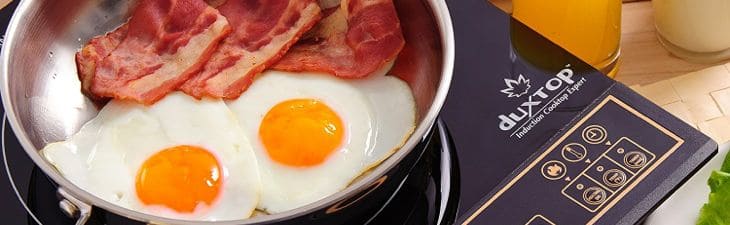
A straightforward guide to induction cooking: how its magnetic field heats compatible pans, how it differs from gas and electric, safety, efficiency and cookware tips.
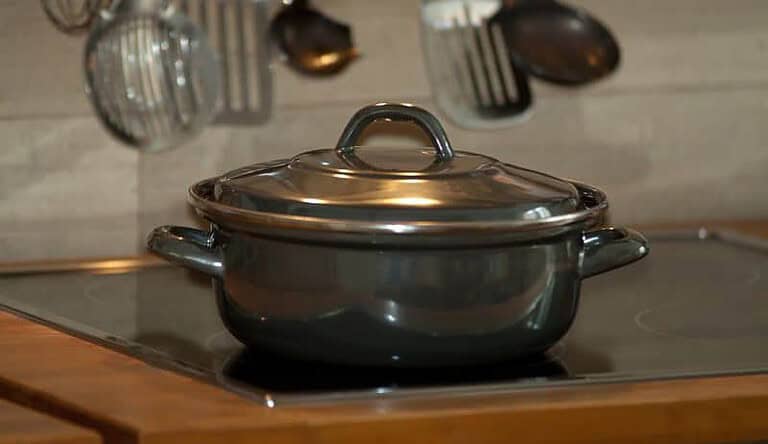
As an Amazon Associate, we may earn a small commission from qualifying purchases. How can you tell if cookware is induction-ready? Check the manufacturer’s induction-compatibility marking, then test whether a magnet sticks firmly to the flat bottom of the pan. Magnetic cast iron and many stainless-steel pans work, while ordinary aluminum, copper and glass cookware…
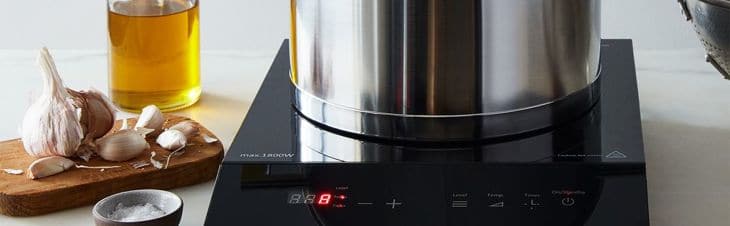
As an Amazon Associate, we may earn a small commission from qualifying purchases. Confused about Induction Cooktops? Induction cooktops heat compatible cookware directly and can offer efficient cooking, responsive power adjustments and easy cleaning. This buying guide explains what to compare before purchasing—including portable versus built-in designs, cookware compatibility, power requirements, controls and safety considerations….
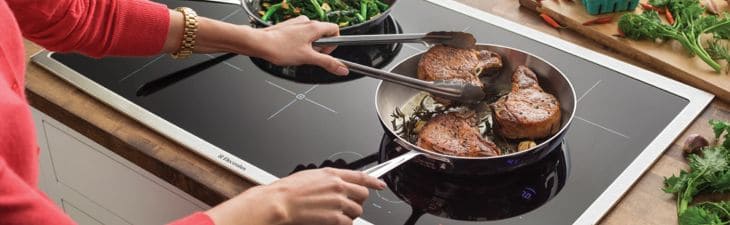
Compare induction and conventional electric cooktops on heating speed, energy efficiency, cookware compatibility, glass-surface safety and cleaning.

Quick answer: Current research has not established that ordinary household induction cooking harms a developing baby, and most studies examining induction cooker use during pregnancy have not found clear adverse birth outcomes. But the evidence is not strong enough to guarantee zero risk in every situation. Induction cooktops generate electromagnetic fields (EMFs), and exposure depends…
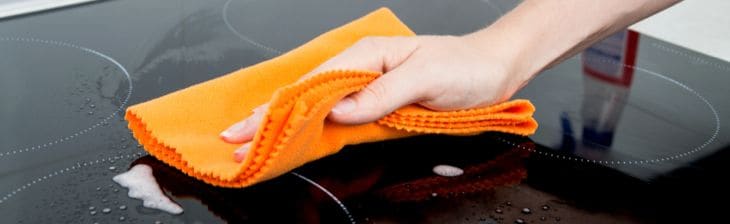
As an Amazon Associate, we may earn a small commission from qualifying purchases. Induction cooktops have smooth glass-ceramic surfaces, so fingerprints, grease and cooking spills are easy to notice. That is both an advantage and a disadvantage because, while nobody wants to see unclean surfaces, the fact that your cooktop will highlight all the areas…

Downloadable induction cooktop manuals by brand and model, including Duxtop, True Induction, Fagor, Cuisinart and Hamilton Beach, with tips for matching your model number.

What are the main advantages of an induction cooktop? Fast heating, responsive power adjustments, efficient heat transfer, no combustion gases at the burner, and a flat surface that is often easier to clean. These advantages depend on suitable cookware and proper installation, and the glass can still get hot from the pan. Induction cooking has…

Quick answer: An induction cooktop uses a magnetic field to heat compatible cookware directly. It is typically faster and more energy-efficient than gas, offers responsive heat control, and produces no gas-combustion emissions in the kitchen. However, you need cookware with a magnetic base; the glass can still become hot; ventilation remains important; and built-in models…