Induction vs Gas Cooking | Pros and Cons
As an Amazon Associate, we may earn a small commission from qualifying purchases.
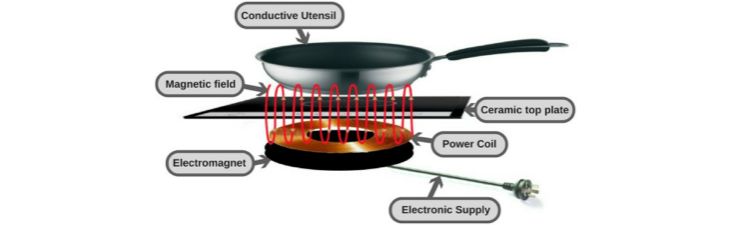
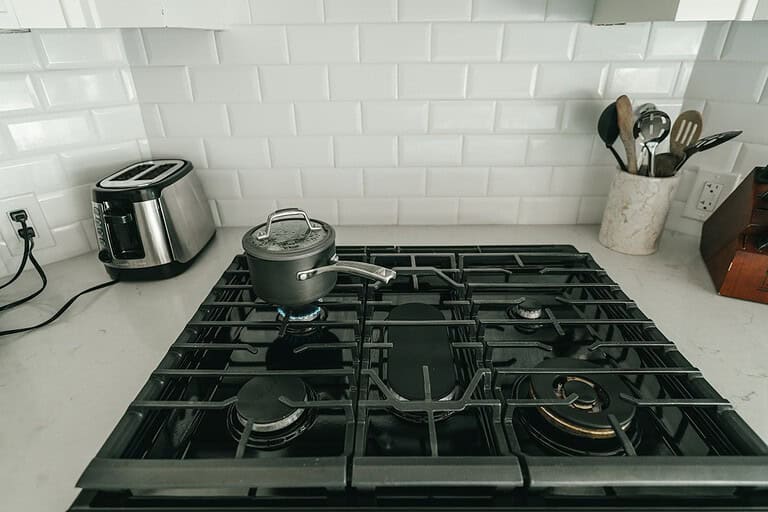
Induction and gas can both deliver excellent cooking results, but they work in different ways. An induction cooktop uses electricity and a magnetic field to heat compatible cookware directly. A gas burner uses a flame to transfer heat to the pan. The better choice depends on your cooking preferences, kitchen layout, ventilation, cookware, and local energy costs.
Here are the advantages and trade-offs of each technology, without assuming every model performs the same.
| What to compare | Induction cooktop | Gas cooktop |
|---|---|---|
| How it heats | A magnetic field heats compatible cookware directly | A flame transfers heat to the cookware |
| Cookware | Needs an induction-compatible magnetic base | Works with most gas-safe pots and pans |
| Speed and control | Often boils water quickly and responds rapidly to power changes | Responsive flame control; results depend on burner power |
| Cleaning | Usually a flat glass surface | Burner parts and grates generally take more cleaning |
| Indoor air | No combustion gases at the burner; cooking fumes still need ventilation | Gas combustion adds pollutants; cooking fumes also need ventilation |
| Running costs | Depend on electricity rates, appliance and cooking habits | Depend on gas rates, appliance and cooking habits |
Induction vs. gas: the main differences
- Heating speed: Induction often brings water to a boil faster, but results depend on burner power, the pan, and the amount of food or water.
- Temperature control: Both allow rapid adjustment of the energy delivered to the cookware. Gas offers a visible flame; induction offers electronic power controls.
- Energy transfer: More induction energy typically reaches the cookware instead of heating surrounding air. The difference in utility bills depends on local electricity and gas prices and usage.
- Cookware: Gas works with a broad range of stove-safe pots and pans. Standard induction requires suitable magnetic cookware.
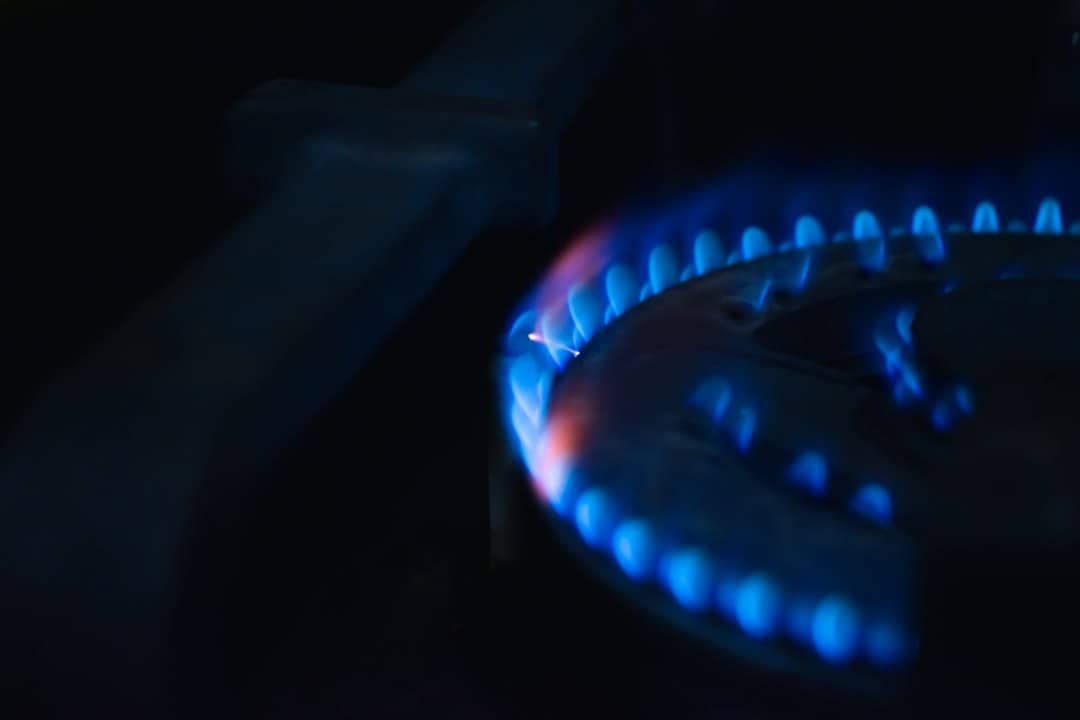
- Indoor air: Induction does not burn gas at the burner. Gas combustion can release pollutants such as nitrogen dioxide. Both cooking methods can generate smoke and particles from food and oil.
- Cleaning: Flat induction glass is often easier to wipe than gas grates and burner assemblies. Both require appropriate cleaning and care.
Does induction cook faster than gas?
Often, especially when boiling water. Induction heats suitable pans directly, which can deliver strong heating performance with less energy lost around the pan. But there is no universal rule that every induction model is twice as fast as every gas burner. A high-output gas burner and a lower-wattage portable induction unit may produce different results from a built-in induction range. For countertop alternatives, see our portable induction cooktop comparison.
The U.S. Department of Energy summarizes how direct pan heating contributes to induction performance. Compare tested appliances under similar conditions instead of relying on a single advertised boiling time.
Which is more energy-efficient and less expensive to operate?
Induction typically transfers a greater share of input energy to the cookware than gas because it heats the pan directly. Gas releases considerable heat around the sides of the pan into the kitchen. However, a cooktop’s energy efficiency and its operating cost are different questions: the price of electricity and gas, cooking duration, and the types of meals you prepare all affect your bill.
For a sense of scale, ENERGY STAR cites about 85% of the energy reaching the food with induction, compared with roughly 32% for gas, and older ENERGY STAR technical material puts conventional resistance electric at about 75–80%. These are test-based figures, not what every household will see, and they say nothing about what electricity or gas costs where you live.
For a Canadian overview of cooking technologies, see Natural Resources Canada’s cooking-appliance guide. There is no reliable basis for promising that induction will always save a particular dollar amount.
What about cooking control and reliability?
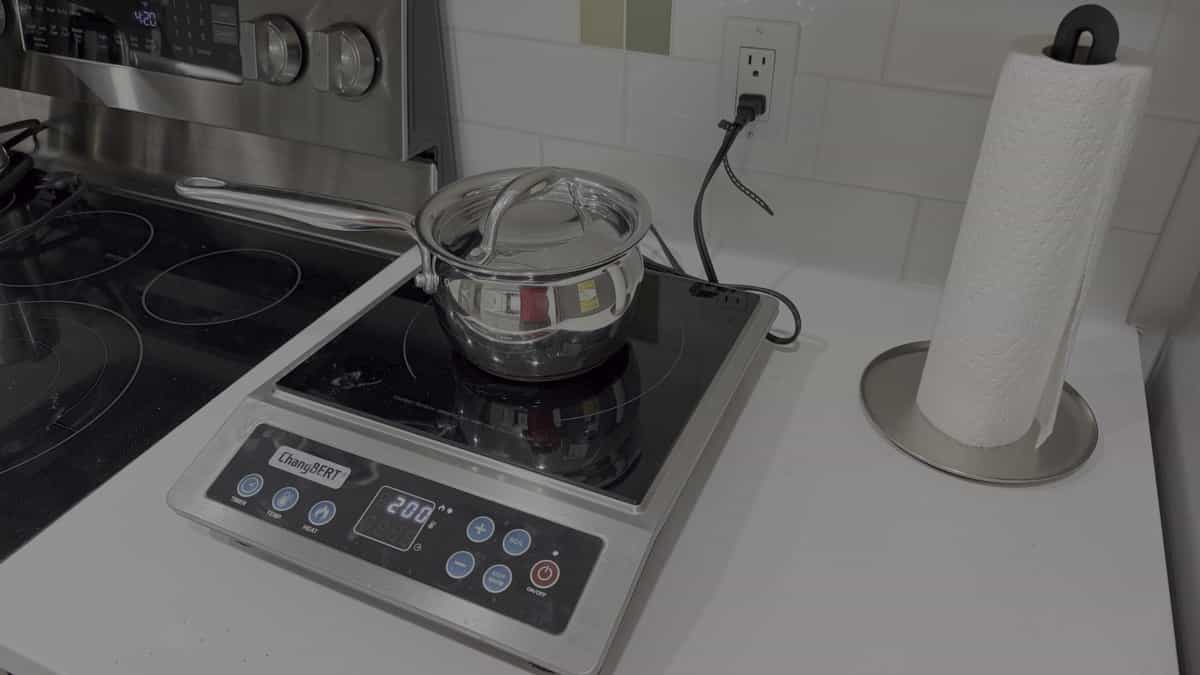
Gas offers an immediately visible flame and is compatible with a wide range of cookware. Induction provides quick electronic power adjustments and often includes low-simmer levels, timers and pan detection. How smoothly a model simmers depends on its control design; some portable cooktops cycle power at low settings. Related reading: guide to normal pulsing and unexpected cooktop shutdowns.
To see how induction heat control works in a real cooking task, read our induction ribeye searing guide. It explains pan choice, responsive heat adjustments and checking doneness with a thermometer.
Neither technology is maintenance-free. An induction appliance contains power electronics and cooling components, while a gas appliance has burners, ignition components and fuel connections. Serviceability, warranty support and replacement costs depend on the model. It is not accurate to say that one technology cannot develop significant faults.
Induction: advantages and disadvantages
- Pros: Fast heating on suitable cookware, responsive power settings, efficient energy transfer, simple glass-top cleaning, and no gas combustion at the burner.
- Trade-offs: Magnetic-base cookware required, electronics and cooling-fan noise on some models, possible limitations in low-power cycling, and electrical installation requirements for many built-in units.
- Safety: No open flame and pan-detection systems can reduce certain hazards, but the cookware and glass can remain hot enough to cause burns.
Gas: advantages and disadvantages
- Pros: Visible flame, broad compatibility with stove-safe cookware, and familiar manual-style heat controls that many cooks enjoy.
- Trade-offs: More heat escaping into the kitchen, burner grates and components that require cleaning, and potential combustion pollutants.
- Safety: Open flames, hot grates, combustion by-products and gas connections require appropriate appliances, maintenance, supervision and ventilation. Follow manufacturer instructions.
Kitchen air quality and ventilation
Gas cooking can contribute nitrogen dioxide and other combustion pollutants indoors. The U.S. Environmental Protection Agency identifies gas stoves as an indoor source of nitrogen dioxide and emphasizes ventilation to reduce exposure.
Induction avoids the gas flame but does not make cooking emission-free: frying, broiling and searing foods can still produce airborne particles. Effective kitchen ventilation matters with both gas and electric cooktops, especially during high-temperature cooking. Related: whether an induction cooktop still needs a range hood.
What happens in a power outage?
An induction cooktop runs entirely on electricity, so it will not heat during an outage unless you power it from a backup source that can supply its rated wattage. Portable burners can draw a lot: the Duxtop 9600LS-family manual, for example, lists up to 1,800 W. Check the nameplate and the backup power maker’s instructions before connecting anything.
Gas is not automatically outage-proof either. KitchenAid’s guidance says that if a model has a manual ignition feature, its burners can be lit with a match, but that some models have safety features that may prevent manual lighting and that most gas ovens need electricity to ignite and operate. Check your owner’s manual before trying to light anything by hand.
Is induction safer?
Induction eliminates the open gas flame and many models stop actively heating when cookware is removed. These are practical advantages, not a guarantee that the appliance is safe to touch. Heat from a pot or skillet transfers back into the glass, and both the pan and the glass may stay hot after the control is turned off.
See our induction safety guide for glass-surface precautions and other everyday considerations.
What cookware will I need?
For induction, check for a suitable magnetic base. A refrigerator magnet sticking firmly to the pan’s flat bottom is a useful first check; cookware labels and the appliance manual provide additional guidance. Some stainless steel pans are nonmagnetic and will not work. Gas burners generally accommodate more pan materials, provided the cookware is designed for gas-stove use.
Learn more in our guide to induction-ready cookware.
Portable induction cooktops to compare
A countertop induction cooker can be a convenient way to try the controls before considering a built-in replacement. The comparison below contains affiliate product links; check current specifications, compatible pan sizes, electrical requirements and availability before buying.
AzlinkPRO: Legacy Portable Induction Cooktops and Cookware
Compare the key features, then see current product details and pricing on Amazon.
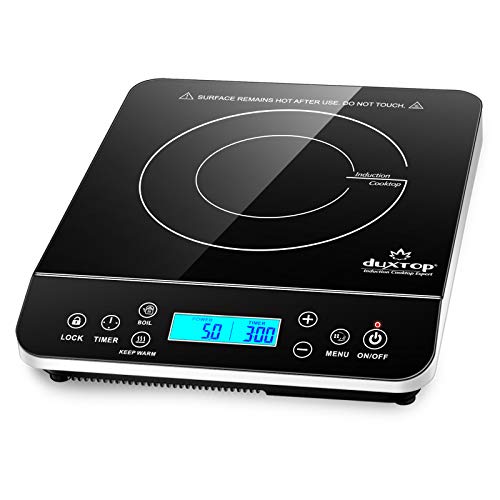
Compare model controls, power rating, compatible cookware and current availability

Compare model controls, power rating, compatible cookware and current availability
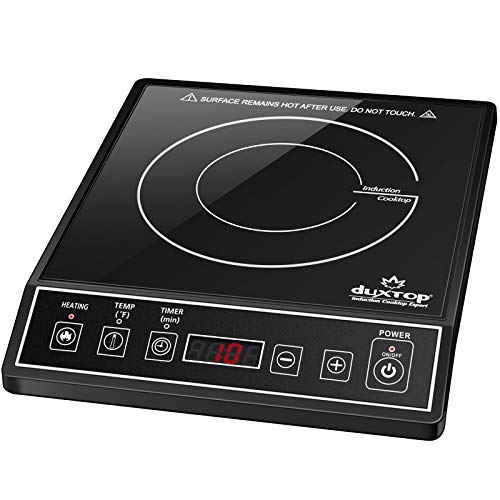
Compare model controls, power rating, compatible cookware and current availability

Compare model controls, power rating, compatible cookware and current availability

Compare model controls, power rating, compatible cookware and current availability

- Verify induction compatibility
As an Amazon Associate, we may earn a commission from qualifying purchases.
Quick answers
Do I need an electrician to switch to induction?
It depends on the appliance. A portable burner plugs into an outlet; the Duxtop 9600LS-family manual calls for 120 V, 15 A on a dedicated outlet. Full-size built-in cooktops commonly need a dedicated 208–240 V circuit, so have a qualified electrician check the nameplate, the installation instructions and your panel before you replace a gas range.
Is induction cheaper to run than gas?
Not necessarily. Induction transfers more of its energy to the pan, but your bill depends on local electricity and gas prices and how much you cook, so no dollar saving can be promised in advance.
Can I try induction without replacing my gas range?
Yes. A portable burner is a low-commitment way to test the controls and your cookware. Check the manual for pan-size limits first: the Duxtop 9600LS-family manual, for instance, requires a magnetic, flat-bottomed pan at least 5 inches across.
Which should you choose?
The short answer: induction has the edge on energy transfer, avoids combustion at the burner and is easier to clean; gas has the edge on cookware flexibility and the visible flame. Which matters more depends on your cookware, wiring and habits. Consider induction if you value fast response, easy glass-top cleaning and avoiding gas combustion in the kitchen, and if your cookware and electrical supply are suitable. Consider gas if you prefer flame-based cooking, want to retain existing stove-safe cookware or have kitchen constraints that make an electric conversion impractical. Both technologies can perform well when correctly installed, maintained and used.
If you are also comparing conventional electric resistance elements, read our induction versus electric cooktop guide or the induction cooktop buyer’s guide.