Can You Use Cast Iron on an Induction Cooktop?
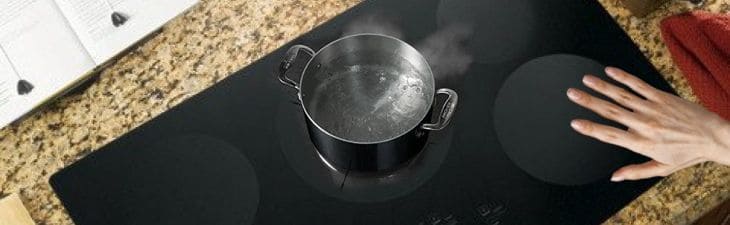
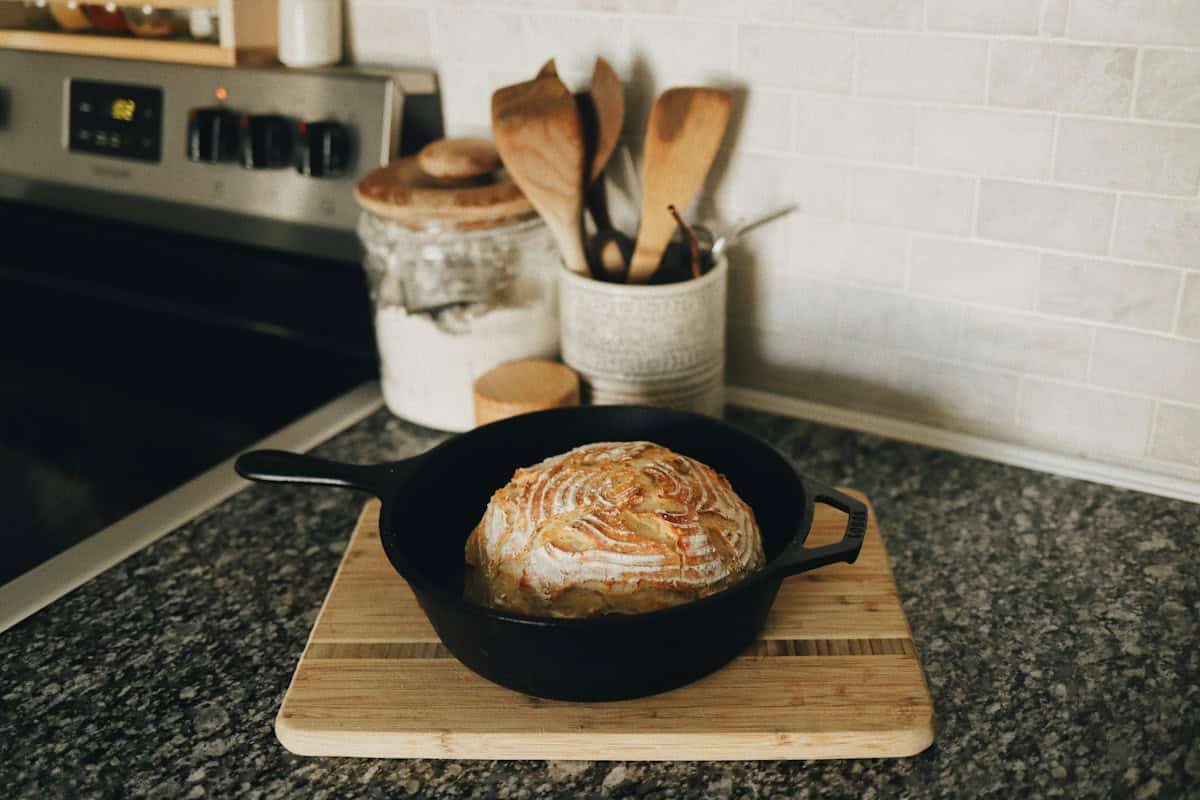
Yes—cast-iron cookware generally works well on induction cooktops. Iron is magnetic, which allows the induction field to heat the pan. A suitable skillet or Dutch oven can be used on most induction surfaces when its base meets the cooking zone’s size and contact requirements. The main practical concerns are the glass surface, heavy cookware and uneven heating when the pan is heated too rapidly.
Why induction and cast iron are compatible
Induction technology uses a changing magnetic field to generate heat in compatible cookware. Cast iron is ferromagnetic, so an induction burner can couple energy into it directly. Unlike some aluminum and copper pans, solid cast iron usually does not need a separate induction-compatible layer.
That does not mean every iron accessory will work on every burner. A narrow contact area or undersized griddle may fail a zone’s minimum-diameter requirement. Use our induction-compatibility guide if a particular pan isn’t detected.
Will cast iron scratch an induction glass top?
It can if a rough, gritty or damaged bottom is dragged across glass. Lodge Cast Iron recommends lifting its cookware from one burner to another instead of sliding it. Even a smoothly finished skillet can trap salt, crumbs or other abrasive debris under the base, so wipe the cool pan bottom and cooktop surface before use.
Practical habits: Set heavy cookware down gently, avoid dragging it, keep the bottom clean and respect the cooktop manufacturer’s weight limit. Do not put a hot skillet onto a surface the appliance manual says cannot take it.
Preheat gradually, particularly with large pans
Induction can bring heat into cast iron rapidly, but thick cast iron takes time to spread it evenly across the cooking surface. Starting at the highest setting with a cold, empty skillet may create hot spots; some enamelled cookware manufacturers also discourage abrupt temperature changes.
Instead, follow the pan’s care instructions and increase the setting as cooking calls for it, keeping the pan attended. If the manufacturer instructs preheating with food or fat already in the pan, follow that guidance. The goal is even, controlled heating—not the fastest possible temperature rise.
Cast iron, enameled cast iron and carbon steel
| Cookware | Induction compatibility | What to watch |
|---|---|---|
| Bare cast-iron skillet | Usually magnetic and compatible | Weight, rough base, seasoning and gradual warm-up |
| Enameled cast-iron Dutch oven | Typically compatible | Protect enamel against sudden temperature changes; obey brand instructions |
| Carbon-steel pan | Usually compatible if flat-bottomed | Some thin designs can warp; check stable contact |
| Cast-iron griddle spanning zones | Depends on bridge support and sizing | May heat unevenly if zones are too far apart |
Does the bottom have to be completely flat?
The base should make stable contact and suit the marked heating zone. A pan with a pronounced ring or uneven underside may perform less effectively even if it is magnetic. Check the appliance manual rather than assuming a round pan’s nominal top diameter satisfies a cooktop’s minimum base diameter.
What about a two-burner griddle?
Some induction cooktops offer a bridge function that controls two adjacent elements for an elongated griddle. That does not guarantee uniform temperature through the space between coils. Look for the griddle size and bridge usage guidance in the cooktop manual.
Can you use cast iron for delicate simmering?
Yes, with adjustments. Cast iron retains substantial heat and doesn’t cool instantly after power is reduced. This is useful for steady cooking but can make a quick correction harder. A lighter multi-ply pan can respond differently; choose based on the recipe.
Frequently asked questions
Can I use an enameled cast-iron Dutch oven on induction?
Usually, yes, when its iron base is magnetic and the manufacturer lists induction compatibility. Follow the enamel manufacturer’s temperature and care instructions.
Does cast iron need an induction adapter plate?
Generally not. Iron itself is magnetic; adapter plates are intended for different cookware and can add their own limitations.
Is induction heat too strong for cast iron?
Induction is adjustable, but very rapid heating can still cause problems for some cookware. Use controlled settings and don’t leave empty cookware heating unattended.
Sources and related guides
- Lodge Cast Iron: cooking with cast iron on induction
- Whirlpool: compatible cookware size and finish
- Our induction buying guide
- Our induction surface-cleaning guide
Editorial note: Material compatibility guidance is sourced from manufacturers; no unsupported claim of in-house cast-iron testing is made.