Do You Need a Range Hood With an Induction Cooktop?
Yes, a range hood is still useful with an induction cooktop. Induction avoids burning gas at the burner, but sautéing, frying, grilling and sometimes even boiling release moisture, grease droplets and airborne particles. A properly used hood—ideally one that exhausts outside—helps remove pollutants from the cooking area.
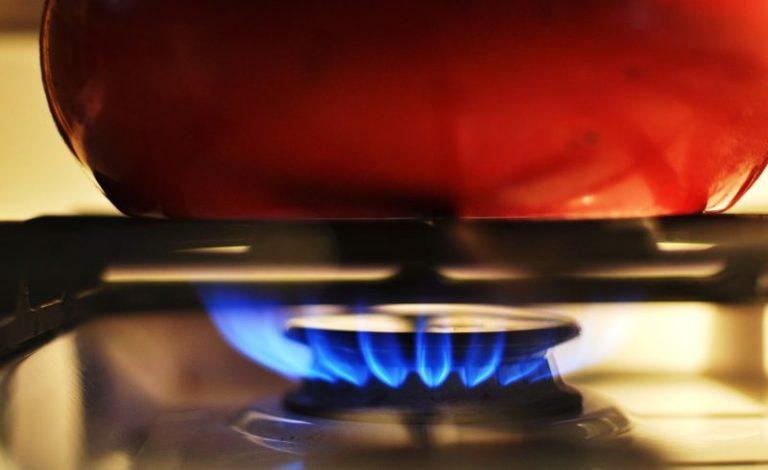
The key distinction is between fuel-combustion pollution and pollution generated by cooking food. Induction eliminates the first at the cooktop, but it does not eliminate the second.
What indoor-air pollutants can cooking create?
Cooking can increase fine airborne particulate matter through hot fats, high-heat browning, and food residue that burns on a pan. The US Environmental Protection Agency notes that cooking method, food and fat affect how much particulate matter enters indoor air. Boiling also adds heat and humidity even when it creates fewer greasy aerosols than frying.
Changing from gas to induction therefore removes the direct burner-flame emissions but does not eliminate the reason to ventilate a busy kitchen. The difference is particularly important in compact or tightly sealed homes.
Ducted hood versus recirculating hood
| Ventilation type | What it can do | Main limitation |
|---|---|---|
| Hood vented outdoors | Captures and exhausts cooking plume when properly sized and installed | Performance depends on duct design, placement, airflow and use |
| Recirculating hood with filters | May capture grease and some odors, depending on filter design and maintenance | Typically returns air and moisture to the room rather than exhausting them outside |
| Window or general exhaust fan | Can provide supplemental air exchange | Usually does not capture cooking emissions as directly as a well-placed hood |
For a renovation, treat ventilation as a whole-kitchen design question. A qualified installer can evaluate code requirements, makeup air, routing and the hood’s actual capture capability. Do not assume that a high advertised airflow number guarantees better capture in every kitchen.
When should you turn on the range hood?
The EPA recommends using an exterior-venting hood whenever cooking and leaving it running about 10–20 minutes afterward. Using rear burners when practical can improve capture under many typical hoods. Clean grease filters as directed by the hood manufacturer to maintain performance.
Ventilation matters more for high-temperature frying, grilling or a smoky sear. For a gentle boil, moisture removal may be a key benefit. The hood need not necessarily run at maximum speed for every meal; select settings based on cooking activity and the hood’s instructions.
What if the kitchen has no exterior-venting hood?
The EPA also suggests using windows or doors when conditions are safe, exhausting air outdoors where possible, and using appropriately sized portable air cleaners that do not produce ozone. An air cleaner is a supplement, not a substitute for a well-designed exterior-exhaust hood. Consider weather and outdoor air quality before opening windows.
For an apartment or rented space, ask the property manager which ventilation systems are permitted and how the existing system should be maintained.
Does induction change your hood-sizing decision?
It changes the emissions source, not the need to capture rising cooking plumes. The appropriate setup depends on the cooking surface width, hood geometry, installation height, cabinetry and frequency of high-heat cooking. Consult the hood’s instructions and local building requirements before selecting equipment. Built-in induction cooktops also require their own electronic cooling clearances independent of room ventilation.
Frequently asked questions
Can induction cooktops produce smoke?
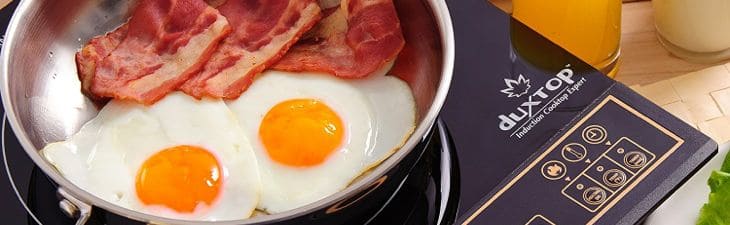
Yes. Food, oils or spills can smoke or burn in a hot pan even though the induction appliance itself has no gas flame.
Do I need a hood for a portable induction burner?
If you cook regularly indoors, kitchen ventilation is still beneficial. Follow the portable unit’s placement and airflow requirements in addition to general room ventilation.
Is a ductless filter hood enough?
That depends on what you cook and what you want removed. Recirculating models may help capture grease and some odors but generally do not remove indoor moisture by exhausting it outside.
Authoritative sources and related guides
- US EPA: sources of indoor particulate matter
- US EPA: strategies for cleaner air while cooking
- Our induction versus gas comparison
- Our induction cooktop safety guide
Editorial note: This is a research-based home-ventilation explainer, not an engineering specification or site-specific installation assessment.