Cost to Switch From Gas to Induction in 2026: The Real Numbers
Heads up: this post has an Amazon affiliate link. If you buy through it, the site earns a small commission at no extra cost to you.
When people ask me what it costs to switch from gas to induction, they usually mean the price of the stove. That is the easy part. The real question is what is behind the wall: is there a 240-volt circuit, is there room in your electrical panel, and who is going to cap the gas line?
Here is the honest answer up front. On top of the range itself, most gas-to-induction switches need somewhere between a few hundred dollars and about $3,500 of electrical and gas work. If your panel needs an upgrade, add $1,800 to $5,000 more. If you already have a 240-volt outlet behind the stove, the only extra job may be capping the gas line. Let me walk through every line so you can estimate your own kitchen.
The cost breakdown, line by line
| Item | Typical cost | Who needs it |
|---|---|---|
| Induction range (30-inch) | Varies by model; check current prices | Everyone |
| Or a built-in induction cooktop | Varies by model; check current prices | Cooktop-and-wall-oven kitchens |
| New 240V circuit (panel has room) | $350–$1,200 | Most gas kitchens |
| Long run from the panel to the kitchen | $1,200–$2,500 | Panel far from the kitchen |
| Cap the gas line | $75–$150 (about $125 average) | Everyone switching from gas |
| Remove the gas line entirely | $300–$600 typical | Optional |
| Panel upgrade (100A to 200A) | $1,800–$5,000, more for full service work | Homes without spare capacity |
| Permit | Varies by city | Most new circuits |
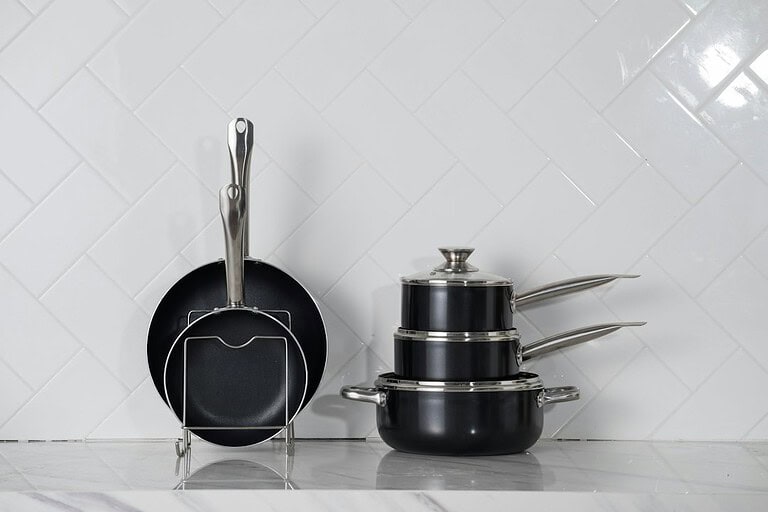
| New induction-ready pans | Only the pans that fail the magnet test | Anyone with aluminum, copper or most nonstick |
1. The range or cooktop
Good news here: you do not have to spend a fortune. Consumer Reports’ top-rated induction range for 2026 is a mid-priced Frigidaire Gallery. Budget-friendly options like the Kenmore 5.6 cubic foot induction range cost less, and feature-packed models like the Frigidaire Professional cost more. I compare them in the best induction ranges of 2026.
If you have a gas cooktop in a counter instead of a range, check the cutout. Induction cooktops have their own cutout dimensions, and you may need the countertop trimmed or a filler. The model’s installation guide lists the exact size. For help choosing, see my 30-inch induction cooktop comparison.
2. The circuit: the biggest unknown
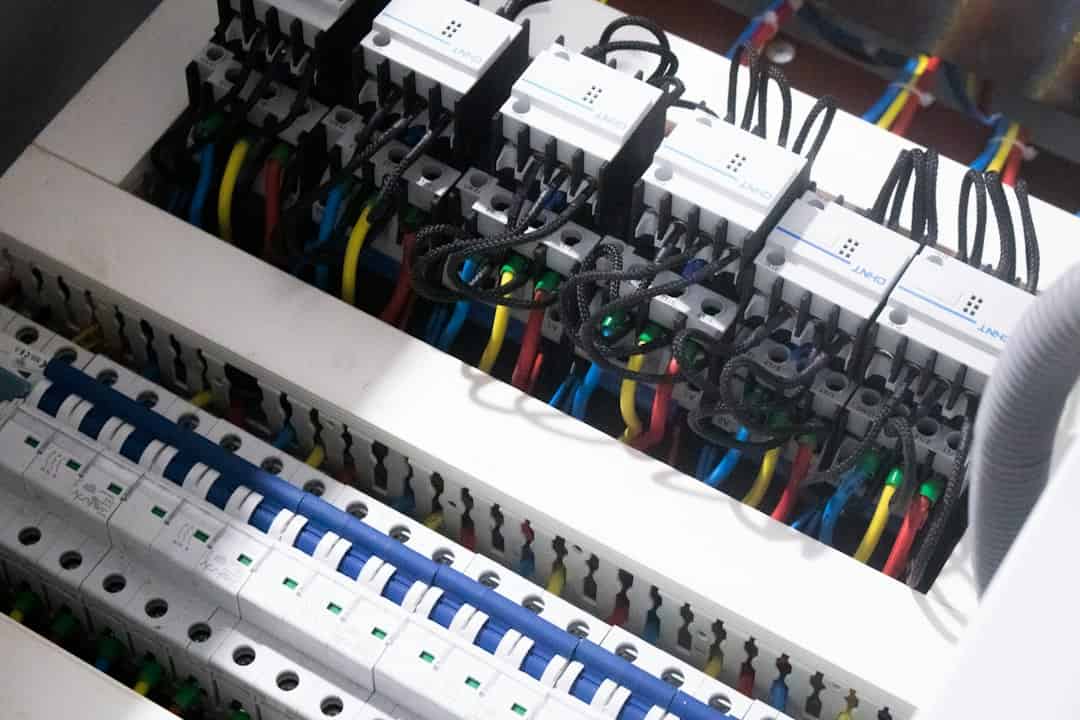
A gas range only needs a regular 120-volt outlet for its igniter and clock. A full induction range needs a dedicated 240-volt circuit, usually 40 to 50 amps depending on the model. Yale Appliance, a big appliance dealer, notes most induction ranges want a 50-amp circuit, and a 48-inch pro range needs at least that.
What it costs depends on three things:
- Is there room in the panel? You need space for a double-pole breaker and enough spare capacity. An electrician does a quick load calculation to check.
- How far is the panel from the stove? A panel on the other side of the kitchen wall is cheap. A panel in a detached garage, with finished walls in between, is not. Heavy-gauge wire for 50 amps adds up fast.
- Your local labor rates. The same job can cost twice as much in a big coastal city.
Cost guides commonly quote $350 to $550 for a simple new 40-amp circuit, while California-focused estimates for gas conversions that need a new run from the main panel come in around $1,200 to $2,500. Consumer Reports cited about $1,000 for one homeowner’s circuit. Get two quotes.
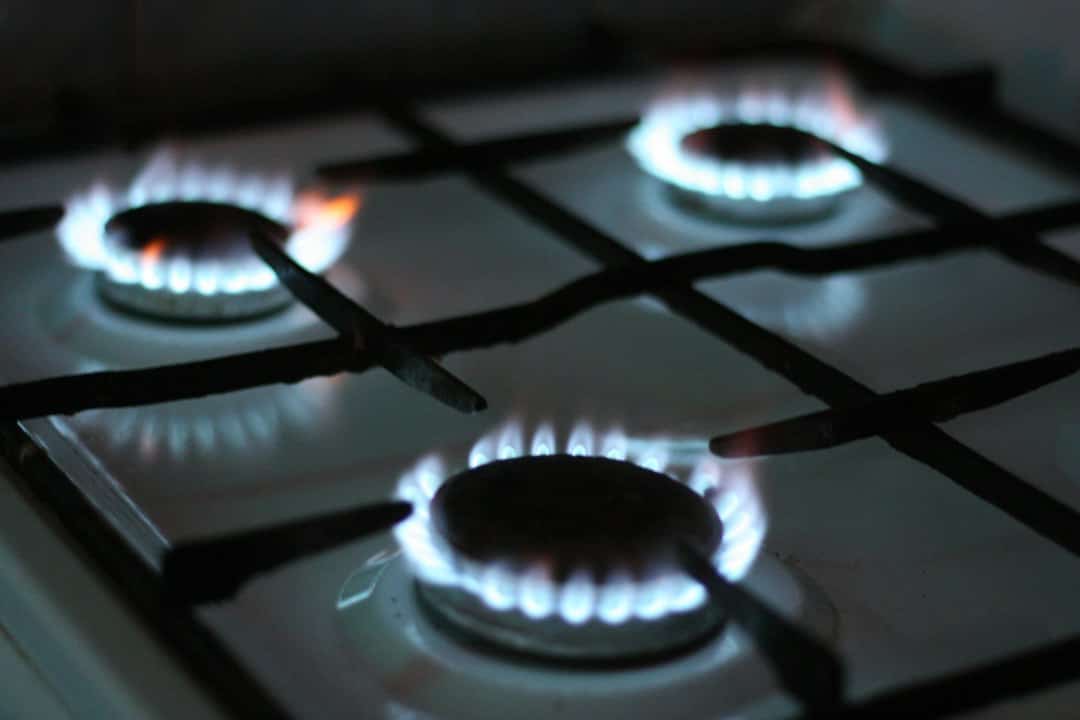
3. Capping the gas line
This is the cheap part. A plumber or gas fitter shuts off the line and caps it, usually for $75 to $150, with Angi putting the average around $125. Never do this yourself. If you want the line removed entirely, plan on more, often $300 to $600. Many people just cap it and leave it, which keeps the option open for a future buyer.
4. The panel upgrade (only if you need it)
Older homes with 100-amp service, especially ones that already have an electric dryer, water heater and air conditioning, may not have room for a 50-amp range. Upgrading to 200 amps typically runs $1,800 to $5,000 for the panel and meter work, and can go much higher if the utility service line has to be replaced. This is the line that turns a $3,000 project into an $8,000 one, so find out early.
Before you agree to a panel upgrade, ask your electrician about a proper load calculation and whether a smaller breaker size allowed by your range’s installation guide would work. Some electricians can also suggest load-management devices. It is worth the conversation.
5. Pans
Cast iron, enameled cast iron and most stainless steel already work. Aluminum, copper, glass and many nonstick pans do not. Do the magnet test on everything you own. If you need to replace pans, you don’t have to buy everything at once, and my induction cookware set guide has the ones I would buy.
Three real-world budgets
The easy switch: little more than the range
You already have a 240-volt range outlet (maybe the house had an electric stove once), your pans pass the magnet test, and you buy a mid-priced range. You pay for the range, delivery, and a plumber to cap the gas (about $75 to $150).
The typical switch: the range plus a new circuit
You need a new 240-volt circuit, your panel has room, and you replace a few pans. Yale Appliance estimates $2,500 to $3,500 for the conversion work on top of the range, depending on how far the wire has to run. A short, simple run can be much less.
The big switch: the range plus a panel upgrade
Your panel needs an upgrade and the wire run is long, so the electrical work alone can reach several thousand dollars. At this level it is worth pricing a battery-equipped 120-volt range too.
The 120-volt battery shortcut
Copper’s Charlie range and Impulse’s cooktop have built-in batteries and plug into an ordinary 120-volt outlet, so you skip the new circuit and the panel upgrade. The catch is price: they cost far more than a standard induction range. That only makes sense if your wiring quote is in the thousands. I cover them in battery-powered induction cooktops.
Try induction with a portable burner first
This is the advice I give everyone. Before you spend thousands, buy a portable induction burner and use it for a month. It plugs into a normal outlet, and you will learn whether you love the speed and control, and which of your pans work. If you go all-in later, it becomes a handy extra burner for holidays or the patio.
Duxtop 9610LS — Best Overall
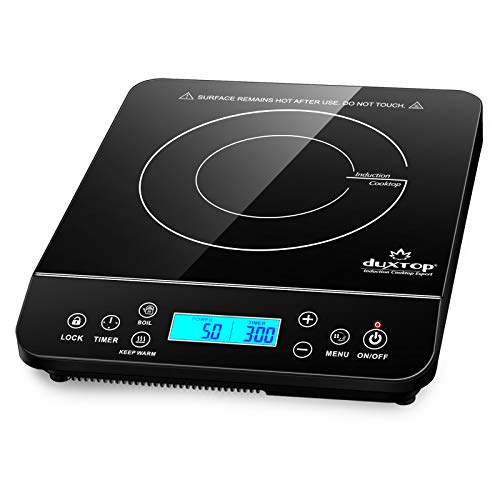
- 1800W maximum power
- 20 power levels and 20 temperature settings
- LCD sensor-touch display, timer and lock
- Versatile for boiling and everyday cooking
As an Amazon Associate, we may earn a small commission from qualifying purchases.
The Duxtop is the one I would start with. For more choices, see the best portable induction cooktops.
Will induction save money on energy bills?
A little, maybe. Induction sends far more of its energy into the pan than gas does, but electricity often costs more per unit of energy than natural gas. For most households the monthly difference is small either way. Switch for the cooking, the cleaner indoor air and the easy cleanup, not to pay off the project with savings. My induction vs gas comparison covers the trade-offs.
The order to do it in
- Test drive induction with a portable burner and check your pans.
- Pick a range or cooktop and download its installation guide.
- Get an electrician to quote the circuit (and panel, if needed) using that guide.
- Have the circuit installed and inspected before the range arrives.
- Book a plumber to cap the gas the same day the old range leaves.
- Deliver, install, and keep a clean cloth handy for the glass top.
Doing it in this order means the electrician only comes out once and you are never without a stove for more than a day.
Budgeting for pans? Most people only need to replace a few. See the best stainless steel cookware for induction. And if anyone in the house has a pacemaker, read induction cooktops and pacemakers before you switch.
FAQ
Can I plug an induction range into my gas range’s outlet?
No. That outlet is 120 volts, and a full-size induction range needs a 240-volt circuit. Only the battery-equipped ranges mentioned above work on 120 volts.
Do I need a permit?
In most places a new circuit needs an electrical permit, and some cities require a licensed electrician to pull it. Your electrician will know the local rules.
Do I still need a range hood?
You lose the combustion fumes, but cooking still makes smoke and grease. Here is when an induction kitchen needs a hood.
Bottom line
Plan on a few hundred to a few thousand dollars of electrical work on top of the range, and get an electrician’s quote before you buy anything else, because the wiring is the only number that can really surprise you. Then test drive induction with a cheap portable. If you love it (most people do), the rest is just scheduling.
Sources (click to expand)
Cost ranges vary by region and change over time; use them for budgeting, then get local quotes.