Induction Cooktops With Built-In Downdraft Ventilation: Luxury Kitchen Guide
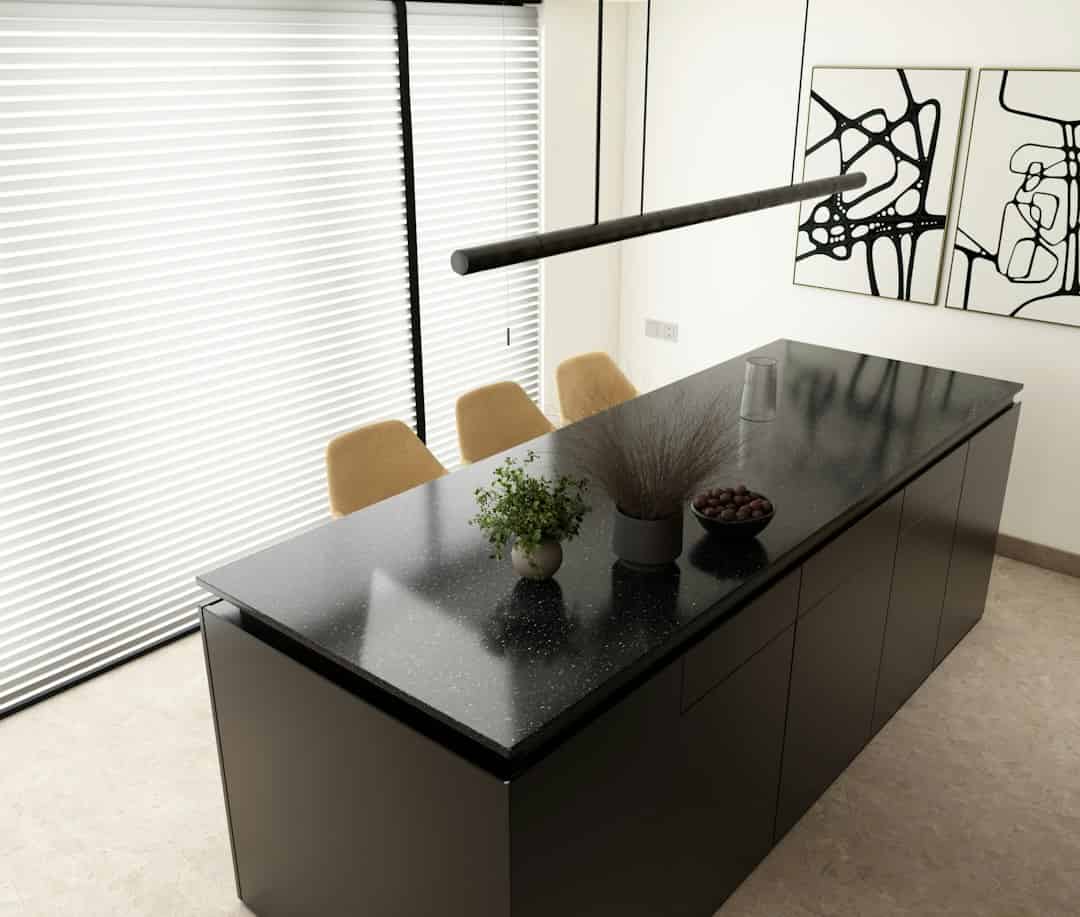
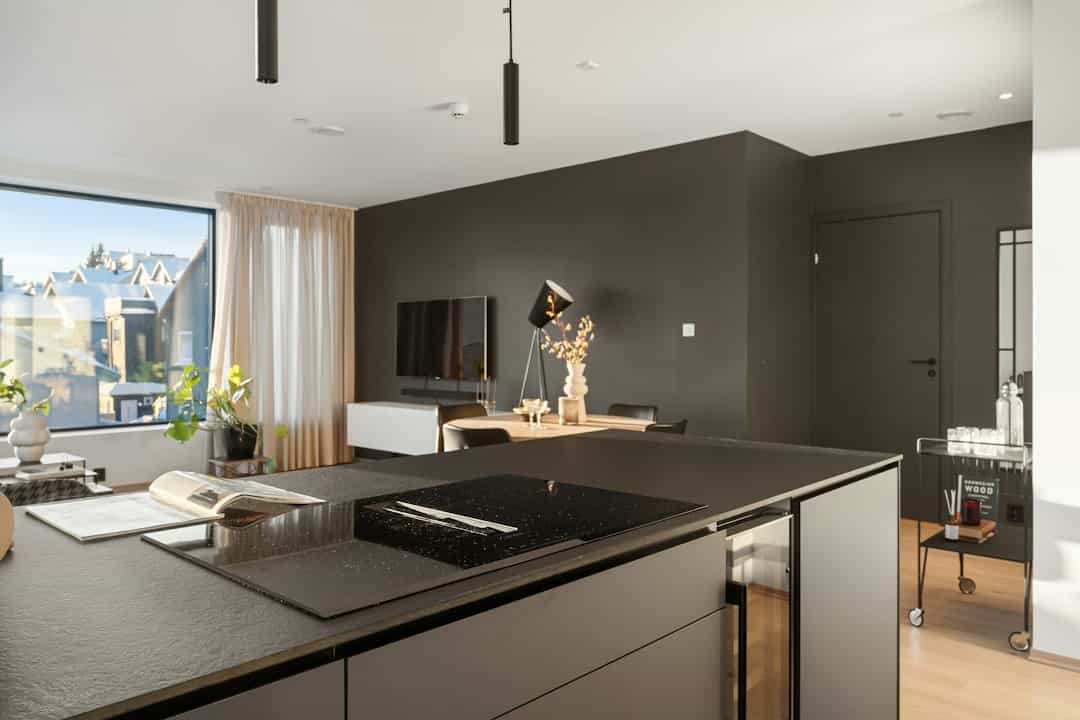
Updated November 13, 2026. Picture a beautiful kitchen island with a single uninterrupted countertop, a sophisticated induction cooking surface, and no big chimney-style hood hanging in the middle of the room. That’s the design promise behind induction cooktops with integrated downdraft ventilation. The fan intake is built into the cooktop itself, so steam and cooking vapors are drawn toward the surface instead of up to a traditional overhead hood.
These appliances aren’t aimed at someone looking for the cheapest way to boil a pot of water. They’re for homeowners planning a luxury or architect-designed kitchen who want some of the best-looking, most integrated equipment available. The premium is real: JennAir lists its NextGen 30-inch downdraft induction cooktop at a $4,999 U.S. minimum advertised price and the 36-inch model at $5,199 on its current product pages. Cabinetry work, ducting, installation and optional recirculation accessories may add to that.
What is a downdraft induction cooktop?
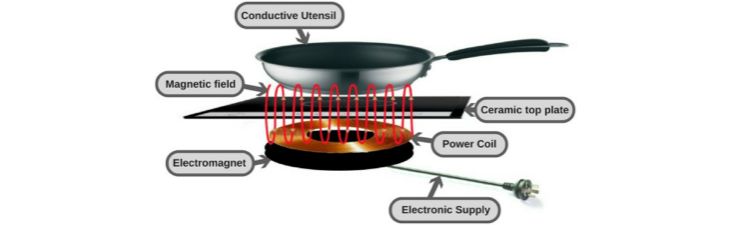
An ordinary induction cooktop heats compatible cookware through a magnetic field beneath glass. Ventilation is usually a separate overhead range hood. An integrated downdraft model combines the induction heating zones with a nearby intake that pulls cooking vapors down into a fan and filter system. Depending on the model and installation, the air is exhausted outdoors through ducts or treated with filters and returned to the room.
The advantage is visual freedom. If your kitchen revolves around an island facing a dining table, windows or a living room, you can preserve a much cleaner sightline. The trade-off is that the ventilation needs space somewhere: the air-handling assembly, channels and service access still have to fit beneath or around the countertop.
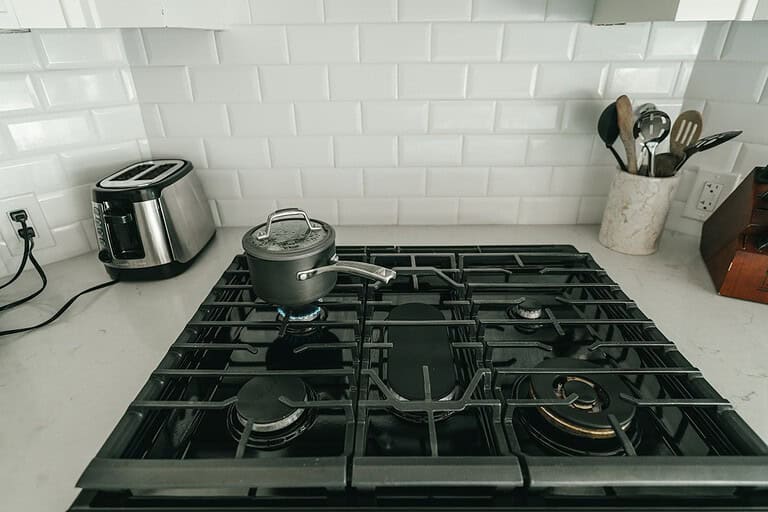
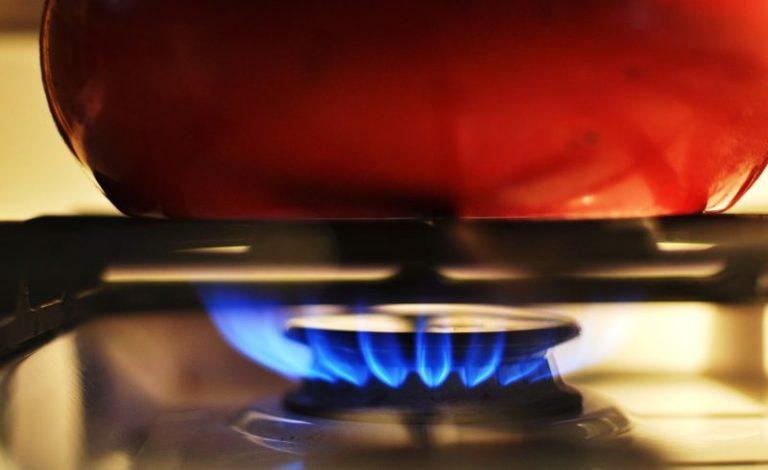
If you’re just starting your research, our guide to whether induction cooking needs a range hood explains why ventilation remains relevant even without a gas flame.
JennAir NextGen: a true top-tier built-in example
JennAir developed the NextGen downdraft induction line with BORA. The result is a premium integrated cooking and ventilation system with a flush-installation approach, automatic bridging on flexible cooking zones, a central air intake and several fan speeds. The brand promotes a quiet experience, with a published 345 CFM motor-class figure and a low-setting sound claim of 30 dBA in its product literature. As always, both noise and effective capture depend on the installation and operating speed.
| Luxury model | Manufacturer-listed U.S. price | What stands out |
|---|---|---|
| JennAir JIDT730SBL (30-inch) | $4,999 UMRP | Four-zone induction, one XL flexible bridge zone, 345 CFM motor class, integrated extraction |
| JennAir JIDT836SBL (36-inch) | $5,199 UMRP | Wider cooktop, two XL flexible bridge zones, integrated extraction and flush appearance |
Those are manufacturer-published reference prices, not installation quotations. They’re included so readers understand the premium category and can ask dealers informed questions. The U.S. 30-inch JennAir and 36-inch JennAir pages provide the most relevant starting points for dimensions and available options.
Why high-end kitchen buyers are interested
A clear view across the kitchen
In many premium remodels, the kitchen island is more than a place to cook. It’s where guests gather, conversations happen, and the view through the room matters. An overhead vent may be perfectly functional but visually dominant. By placing the extraction intake right next to the pans, a downdraft system can make the cooking area feel much more architectural.
Integrated styling instead of separate appliances
A built-in combination simplifies the visual plan: induction zones and extraction are designed together. On JennAir, a true-flush installation is intended to align the cooktop closely with the countertop. That’s a beautiful detail, but it also makes precise cutting and material compatibility especially important. A costly stone slab is not the place for guesswork.
Flexible cooking zones
On models with bridging, two neighboring cooking areas can be controlled together for compatible elongated cookware, such as a griddle. The 36-inch JennAir offers more flexible-zone capability than the 30-inch variant. That matters to frequent entertainers who prepare several dishes at once—but check the actual pan sizes supported before assuming it works with every oversized griddle.
Downdraft versus a traditional overhead hood
| Consideration | Built-in downdraft induction | Conventional induction + overhead hood |
|---|---|---|
| Design | Clean sightlines; fan hidden within counter assembly | Visible hood or concealed cabinet hood |
| Vent location | Air intake sits on the cooking surface | Capture area is typically above cooking zone |
| Cabinet space | Requires below-counter space for extraction system and routing | Usually frees more space beneath the cooktop |
| Installation | Coordination of countertop, electrical supply and air path | Separate cooktop and hood installation |
| Cleaning | Grease-filter and intake maintenance, with optional charcoal filters | Hood filter and canopy maintenance |
| Flexibility | Highly integrated appliance; changing the cooktop can mean changing ventilation | Easier to replace cooktop and hood independently |
| Budget | Often premium integrated-appliance pricing | Wide choice of budget to luxury combinations |
There is no universal winner in capture efficiency. A good overhead hood that vents outdoors is often an excellent way to manage cooking particles, particularly during vigorous frying and high-heat cooking. The U.S. EPA specifically recommends outdoor-vented hoods where practical and notes that cooking itself creates indoor particulate matter. A downdraft’s performance depends on its design, fan speed, pan placement, plume behavior and the layout of the room. Do not interpret a strong motor-class CFM number as proof that it captures every pollutant.
Ducted or recirculating: choose carefully
Ducted exhaust
A ducted system moves captured air outdoors. If there’s a practical route for the duct and your designer can accommodate the necessary cabinet space, this is generally the ventilation approach we’d favor. It addresses grease, moisture and pollutants by exhausting air instead of relying solely on recirculation. Duct shape, bends, total run and other requirements can affect actual airflow, so an HVAC installer should plan the route with the manufacturer’s instructions in hand.
Recirculating filtration
A recirculating configuration draws air through grease and odor filters and returns it indoors. This can be useful for a floating island where an exterior exhaust route is difficult, but it does not remove moisture the way an outdoor duct can, and its effectiveness for different particles and gases depends on the filters. JennAir’s optional recirculation kit is sold separately. Buyers should ask how much the filters cost, how often they’re replaced and whether the cabinet needs specific return-air clearance.
We would not choose recirculation simply because it makes the installation drawing look easier. In a premium kitchen, a well-designed duct run may be worth the upfront effort. Review your entire cooking routine—not just an occasional simmer—before choosing the ventilation mode.
What you should ask a designer or installer
- Exact under-counter footprint: Can the ventilation assembly coexist with drawers, pull-out storage, a wall oven and required service access? JennAir documents that its 30-inch model is not designed for installation over a built-in oven.
- Countertop compatibility: Is your stone, porcelain or composite surface approved for the precise flush cutout, sealing and support system?
- Electrical supply: The JennAir 30-inch technical specification shows 240V and 40A. Have a qualified installer verify the model’s actual electrical plan.
- Exhaust route: Where does the duct leave the cabinet, and will it interfere with plumbing, structural framing or seating at the island?
- Filter maintenance: Can the grease filter be lifted out for cleaning? Are the recirculating charcoal cartridges easy to obtain?
- Local code and ventilation: Will the proposed installation meet local ventilation and make-up-air rules?
The downsides deserve equal attention
You may lose valuable storage
The sleek surface is achieved partly by moving the ventilation equipment into the cabinetry. In smaller kitchens, that can be a serious sacrifice. Ask for a drawer-by-drawer plan before settling on the design. A storage compromise that seems minor on paper can become frustrating if your most-used pots no longer fit near the cooktop.
Complexity and long-term service
An integrated system joins two appliances that can require different service work. If a fan stops working, if a control board fails or if parts become unavailable years later, you may have fewer replacement paths than with a separate hood and cooktop. Before buying, check local authorized servicing, service clearances, warranty coverage and the cost of replaceable filters. Elegant design should still be repairable.
Premium pricing is only the beginning
Besides the cooktop itself, a full project can include custom stone cutting, vent routing, cabinetry modifications, electrical work and specialty installation. Collect a written installed quote rather than comparing the cooktop’s listed price against the sticker on an ordinary four-burner model. If your kitchen only needs a straightforward built-in, our 30-inch Bosch, GE Profile and Frigidaire comparison may be a better starting point.
Who should seriously consider a luxury downdraft cooktop?
It’s an outstanding category to explore if you’re building a showcase kitchen, value unobstructed views, regularly entertain, and have room in the budget for custom design. A careful buyer will also be willing to work with a qualified kitchen designer and ventilation installer—not just choose a model online and hope it fits.
We would hesitate if you’re working with a tight budget, replacing an existing cooktop without changing cabinetry, cooking at high heat frequently in a kitchen that already has excellent overhead ventilation, or depending on every inch of the island for storage. In those cases, traditional induction paired with a well-designed hood may deliver the best everyday result.
Other premium induction technologies worth considering
Downdraft isn’t the only way manufacturers are rethinking high-end cooking. The Impulse battery-assisted induction cooktop targets peak power, temperature precision and electrical flexibility rather than integrated extraction. The two approaches solve different problems. You may prefer the Impulse if your priority is cutting-edge cooking control; you may prefer JennAir if your project prioritizes a beautifully open kitchen island. Neither automatically replaces careful ventilation planning.
Frequently asked questions
Do integrated downdraft cooktops eliminate the need for ventilation?
No. They include a ventilation system as part of the appliance. The choice is about where the air is captured and exhausted or filtered, not whether kitchen ventilation matters.
Are downdraft induction cooktops only for kitchen islands?
No. They’re especially attractive for islands, but can also suit window-facing counters or other plans where an overhead canopy is undesirable. Feasibility depends on available cabinet space and a compliant air path.
Can I use one with a built-in wall oven underneath?
Do not assume so. JennAir’s model-specific information identifies restrictions on installation above a built-in oven. Confirm your exact appliance combination with both installation manuals.
Are these worth $5,000?
For a homeowner pursuing a beautifully integrated, top-of-the-line kitchen, the design and convenience may justify the premium. For most households, a separate induction cooktop and a quality hood is more economical and often easier to service.
Our verdict
Best for the best-of-the-best kitchen experience: if you want a luxurious, clean-lined cooking island with a tailored fit and are prepared for the installation work, integrated downdraft induction is one of the most interesting premium categories available. JennAir’s NextGen line makes a compelling example. Just remember that a beautiful appliance is only as good as the ventilation plan beneath it. Prioritize ducting, service access and practical daily cooking—not appearance alone.
Editorial note: This is a researched buyer’s guide, not a hands-on JennAir product test. All photographs are illustrative kitchen imagery; for product views and installation diagrams, consult the linked manufacturer material.
Sources and product documentation (click to expand)
Specifications, installation details and retailer pricing are subject to change.